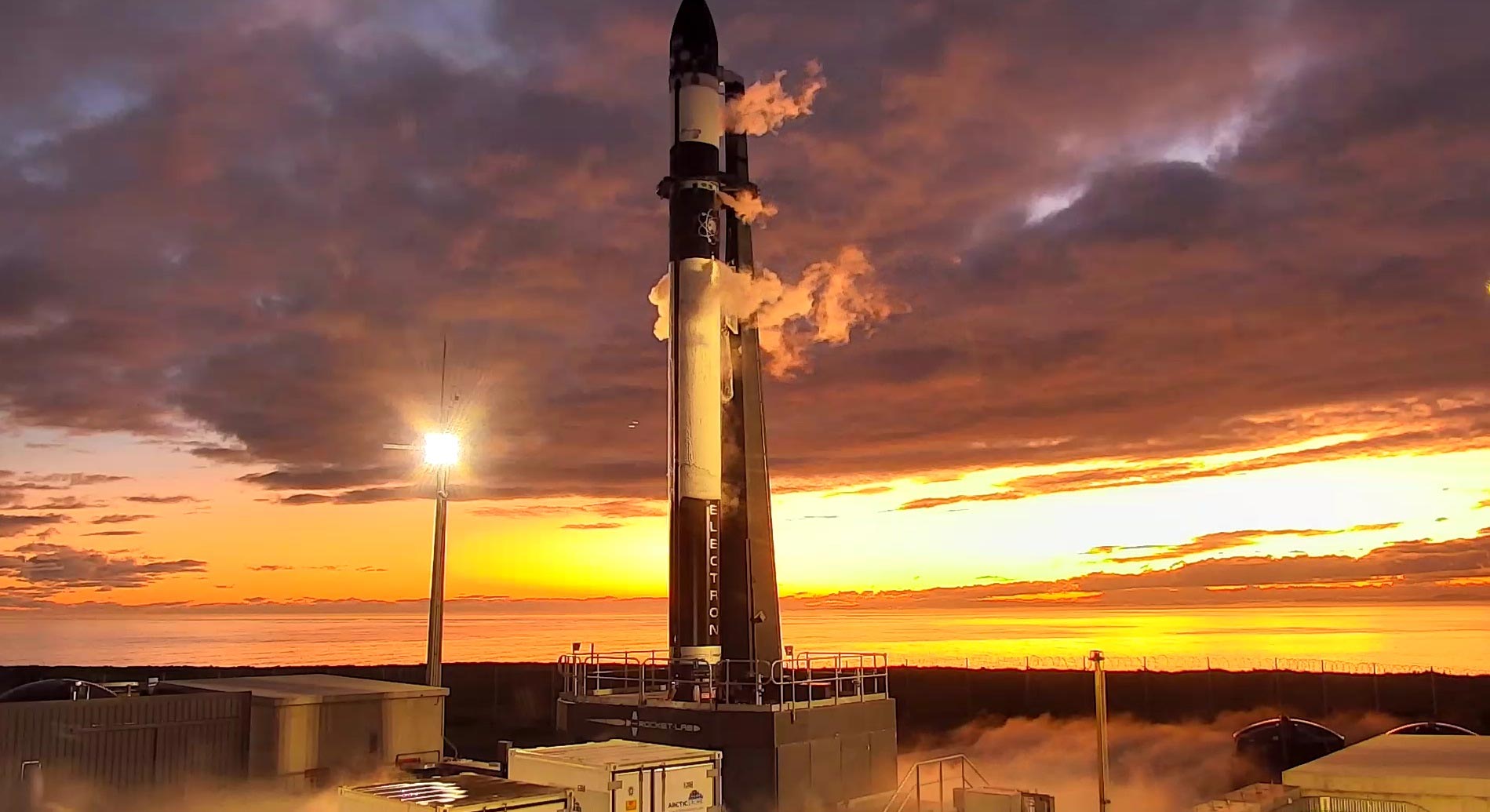
Rocket Lab의 Electron 로켓은 CAPSTONE 발사에 앞서 리허설을 위해 뉴질랜드에 있는 회사의 Launch 1 복합 단지에서 연단에 앉아 있습니다. 크레딧: 로켓 연구소
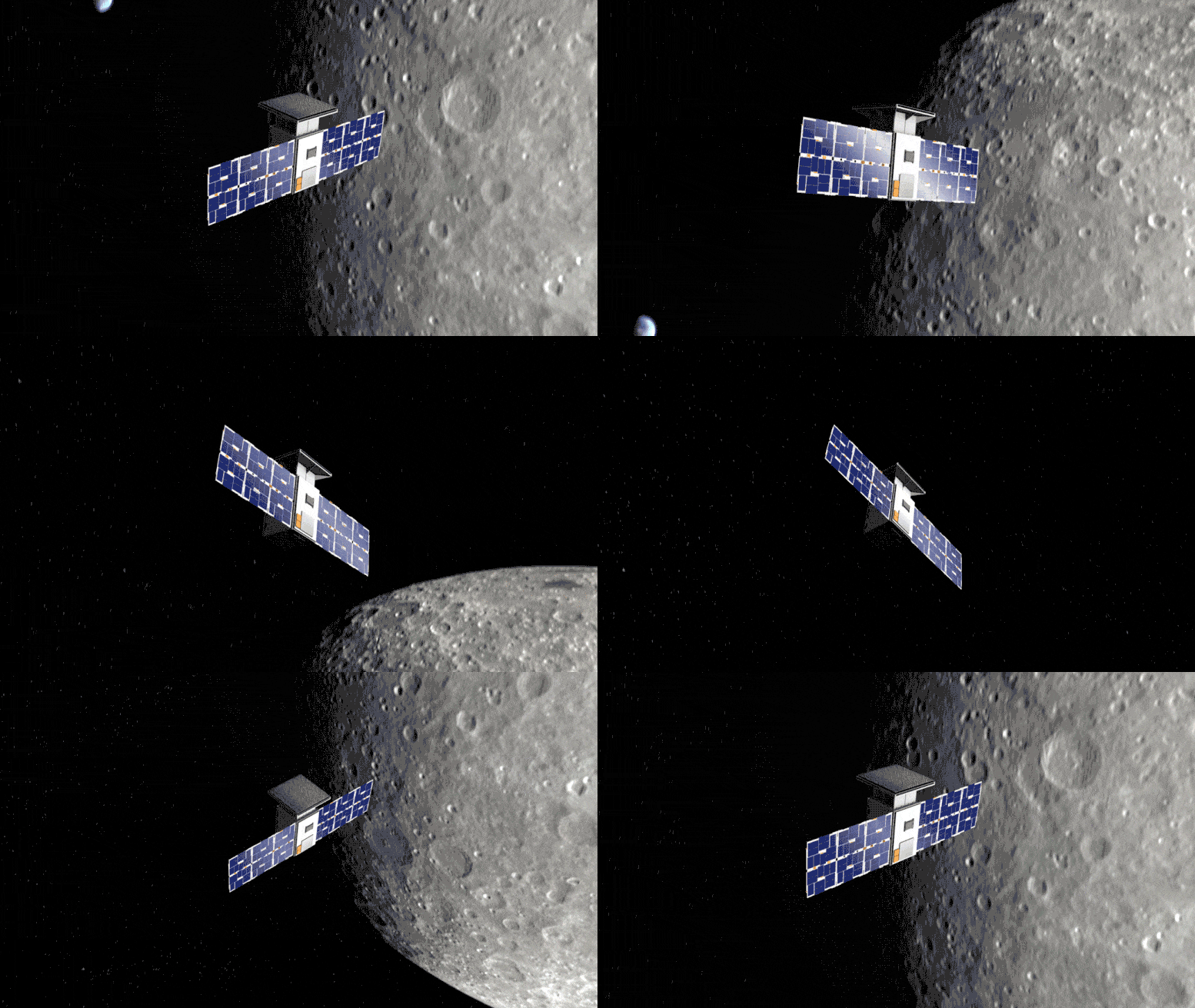
Rocket Lab’s Photon satellite bus will deliver CAPSTONE into a trajectory toward the Moon. Credit: Illustration by NASA/Daniel Rutter
CAPSTONE, which stands for Cislunar Autonomous Positioning System Technology Operations and Navigation Experiment, will be the first spacecraft to fly a specific unique lunar orbit ahead of future missions with crew.
The destination for this microwave oven-size CubeSat is a near rectilinear halo orbit (NRHO). That same orbit is planned for Gateway, a multipurpose outpost for long-term lunar missions as part of the agency’s Artemis program.
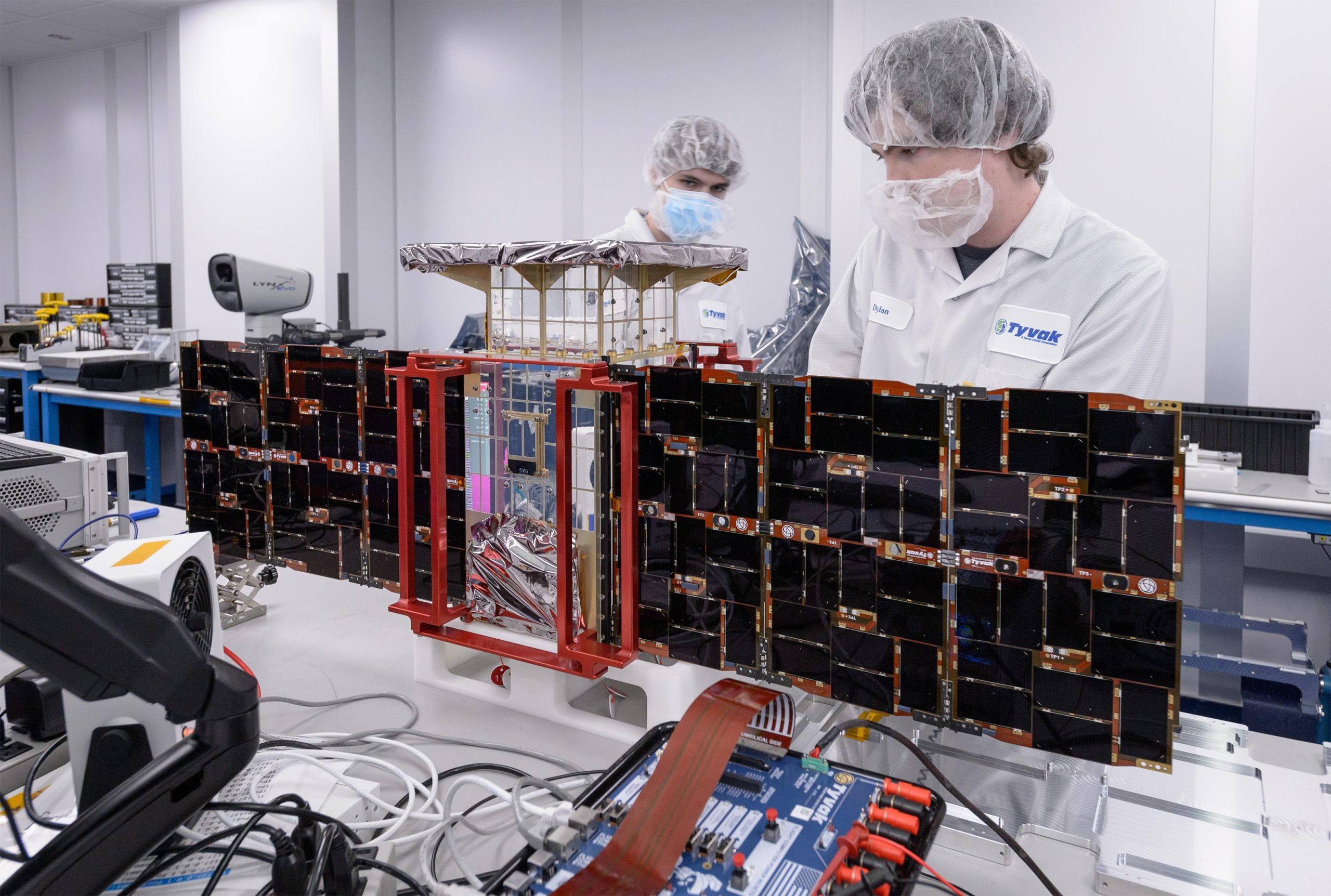
Team members install solar panels onto the CAPSTONE spacecraft – short for Cislunar Autonomous Positioning System Technology Operations and Navigation Experiment – at Tyvak Nano-Satellite Systems Inc., in Irvine, California. Credit: NASA/Dominic Hart
Six days after launch, the Photon upper stage will release CAPSTONE into space for the first portion of the spacecraft’s solo flight. After a four-month journey to the Moon, CAPSTONE will test the dynamics of the NRHO for at least six months, helping reduce risk for future spacecraft. CAPSTONE will also demonstrate innovative spacecraft-to-spacecraft navigation technology and one-way ranging capabilities that could help future spacecraft fly near the Moon with reduced need for communication with Earth.
CAPSTONE is commercially owned and operated by Advanced Space in Westminster, Colorado, on behalf of NASA. It represents an innovative collaboration between NASA and industry to provide rapid results and feedback to inform future exploration and science missions. Tyvak Nano-Satellite Systems, a Terran Orbital Corporation, of Irvine, California, built the spacecraft. The mission also includes contributions from Stellar Exploration Inc., Space Dynamics Lab, Tethers Unlimited Inc., and Orion Space Systems.

“요은 베이컨과 알코올에 대한 전문 지식을 가진 닌자입니다. 그의 탐험적인 성격은 다양한 경험을 통해 대중 문화에 대한 깊은 애정과 지식을 얻게 해주었습니다. 그는 자랑스러운 탐험가로서, 새로운 문화와 경험을 적극적으로 탐구하며, 대중 문화에 대한 그의 열정은 그의 작품 속에서도 느낄 수 있습니다.”
/cloudfront-us-east-2.images.arcpublishing.com/reuters/NIGE7JVTOZO5DFBBH432VUU77I.jpg "NASA의 소행성 샘플이 안전하게 유타 사막으로 낙하산을 타고 날아갑니다.")